A guide to Workday’s new commercial model: Platform Entitlement and Flex Credits explained.

The commercial relationship between you and Workday is changing. This guide explains what that means for you.
Until now, what you paid Workday was agreed upon up front and needed little attention. That is no longer how it works. Under the new commercial model, your use of the platform and your use of AI agents both carry allowances, limits, and sometimes additional costs. For most organisations, the change lands at renewal.
 
There is an upside to this. It gives you access to every generally available agent you are eligible for, and to new ones as they are released, without a separate procurement cycle each time. Credits can be moved between agents as your thinking develops, and the Platform Consumption Console provides visibility into usage that previously did not exist.
 
There is no need for alarm here, but there is a case for getting ahead of it. What you understand before the conversation with Workday shapes what you commit to in it.

Get the guide.

Complete the short form below for immediate access.


    Please send me your newsletter

    By supplying my contact information, I confirm I have read and accepted how my data will be used and authorise preos to contact me with personalised communications about Preos' products and services. See our Privacy Policy for more details or to opt-out at any time.

    A look inside

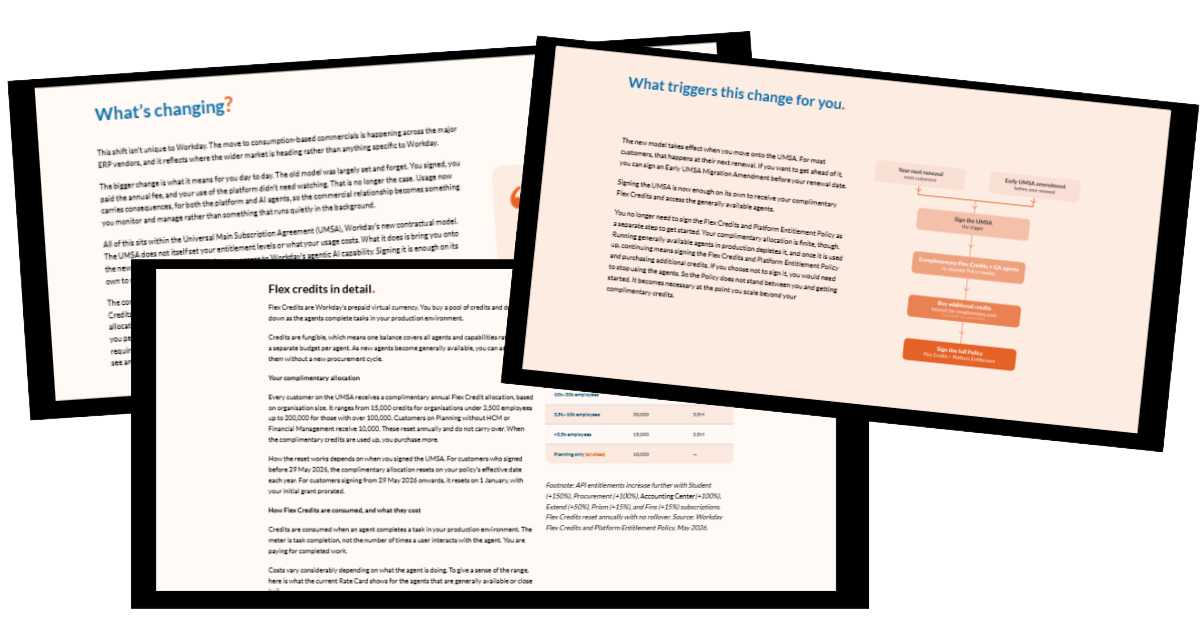
    Written for people who need to understand how the model works and explain it to others. It sets out the mechanics in plain language, using published figures, and it is open about the points where Workday has not yet settled the detail.

    01

    What Platform Entitlement and Flex Credits are, how they work, and how they connect.

    02

    What triggers the change and what signing the UMSA does and does not commit you to.

    03

    Your complimentary Flex Credit allocation, how it is calculated, and when it resets.

    04

    How credits are consumed, what the current rates are, and what drives costs.

    05

    What counts towards your Platform Entitlement, what does not, and what happens at overage.

    06

    Which parts of the model are not yet settled, and what that could mean.

    07

    The Preos view, and what we suggest doing now.

    The timing matters

    The framework is already live. The temporary grace period on API overage charges runs until 31 January 2027, and what you understand about your position before then will shape the commercial conversation when it comes.